Which Hosting Do You Need to Choose if You Are Starting a Blog – A Complete Guide for Beginners and Entrepreneurs

When venturing into the world of online presence, the question often arises: “Which hosting do you need to choose if you are starting a blog, a small or big business?” Selecting the right hosting service is crucial to ensuring your website’s success, performance, and scalability. Whether you’re an aspiring blogger wanting a simple platform or an entrepreneur planning to build a thriving large enterprise, understanding the hosting landscape helps you avoid costly mistakes and set the foundation right from the start.
In this comprehensive guide, we will explore the various hosting options suited for different types of online ventures. We’ll compare needs for blogs versus small and big businesses, provide beginner-friendly tips to find your perfect hosting fit, and discuss scalable solutions that grow with your online ambitions. By the end, you’ll be equipped to make a confident, informed decision tailored to your goals, whether you’re just starting out or expanding into enterprise-level operations.
Choosing the Right Hosting for Your Blog or Business: A Comprehensive Guide

Selecting the right hosting is like choosing the right plot of land for your home — it sets the stage for everything that follows. For a blog, the primary concerns often revolve around cost-efficiency, ease of use, and adequate speed. Conversely, for a small or big business, performance, security, and scalability become critical considerations to support growth and ensure customer trust.
The crux of the decision depends on your current needs and anticipated growth. Your hosting choice should align with your project’s scope, expected traffic, technical expertise, and future expansion plans. Making a wrong choice early on can lead to performance hiccups, security issues, or costly migrations down the line. By understanding the nuances of different hosting types, you can make an informed decision that sets your website up for success.
Blog vs. Small Business vs. Big Business: Hosting Needs Compared

When differentiating between blogs, small businesses, and big businesses, their hosting needs vary significantly because of their resource requirements, security concerns, and scalability. Blogs — especially personal or hobby blogs — generally require minimal resources, prioritize simplicity, and often benefit from shared hosting solutions. They typically experience manageable traffic and can operate effectively with limited technical overhead.
Small and big businesses, however, demand more robust hosting environments. Small businesses need reliable performance, security features, and some degree of scalability to handle traffic fluctuations, but they often operate within budget constraints. Big businesses, on the other hand, require enterprise-grade hosting—dedicated servers, cloud hosting, or hybrid solutions. They focus heavily on security, compliance, geo-redundancy, and scalability to handle high traffic volumes and multiple integrations.
Which hosting do you need to choose if you are starting a blog, a small or big business? The answer hinges on understanding these differences and aligning your resources and growth plans with the appropriate hosting environment. A personal blog can start small, but if plans include expanding into a business or creating a large platform, early investment in scalable hosting solutions becomes strategic.
Beginner’s Guide to Web Hosting: Finding the Perfect Fit for Your Project

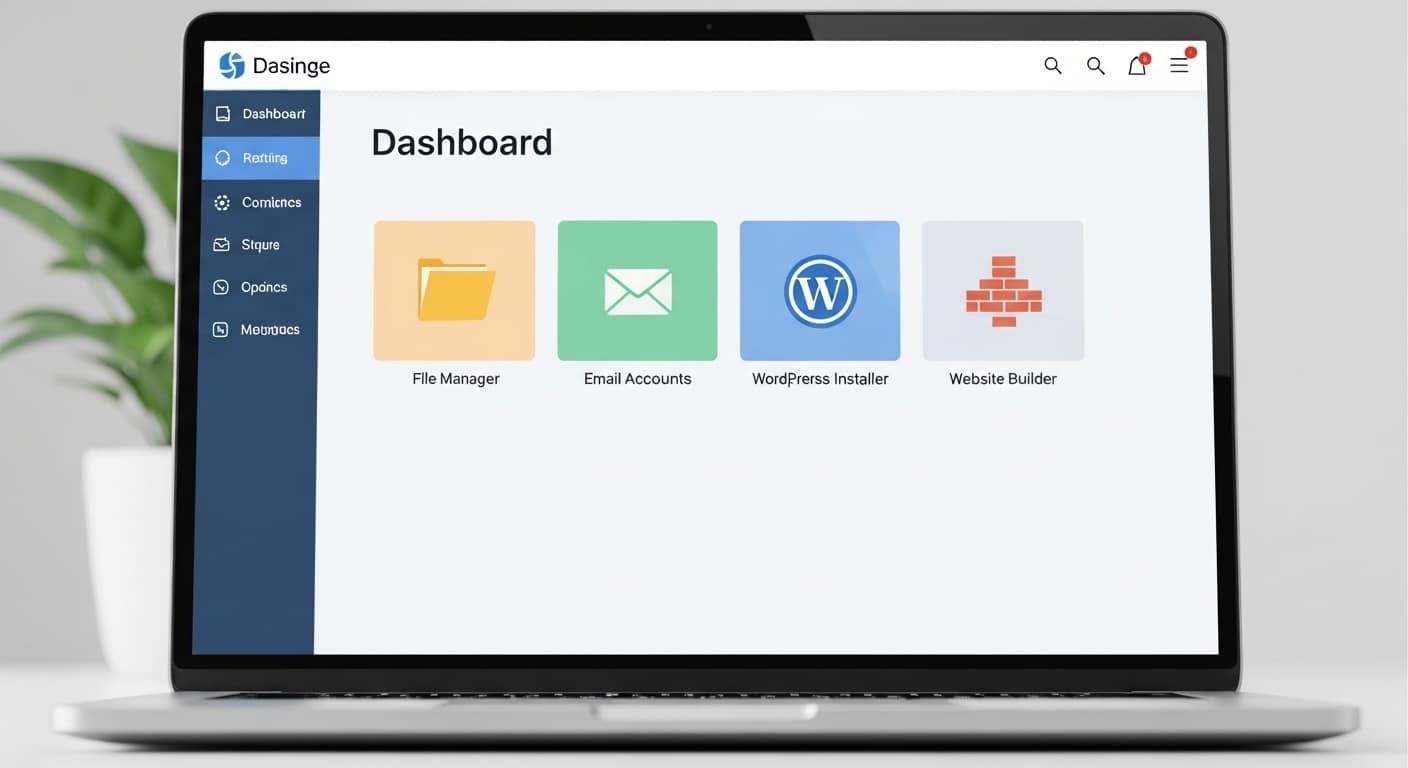
For beginners, the array of hosting options can seem overwhelming. The key is to identify a solution that balances ease of use, affordability, and necessary features. For most initial blogs or small projects, shared hosting remains the most accessible choice because it’s budget-friendly, straightforward, and includes management tools like cPanel or similar interfaces. These solutions allow beginners to focus on content creation without getting bogged down by technical complexities.
However, it’s essential to consider the long-term implications. As your traffic grows or your website becomes more complex, you might need to upgrade or switch to more versatile hosting types such as VPS or managed WordPress hosting. Finding the perfect fit requires assessing your anticipated traffic, technical skill level, and growth trajectory. Start with a reliable starter plan that offers flexibility to upgrade, and prioritize hosts with excellent customer support, security features, and performance guarantees. Investing a little more upfront can save headaches later.
Scalable Hosting Solutions: From Blog Start-Up to Enterprise-Level Business
The beauty of modern web hosting lies in its scalability. As your website or business expands, you want a hosting solution that can grow seamlessly without forcing a disruptive migration. Starting with shared hosting is ideal for initial bloggers but quickly becomes limiting as traffic increases. Virtual Private Servers (VPS), cloud hosting, and dedicated servers are better suited for scaling up.
For small and big businesses, cloud hosting platforms like AWS, Google Cloud, or Azure provide scalable, flexible resources that adjust to your needs dynamically. Managed hosting providers also offer scalable solutions with dedicated support, security, and performance optimizations. The key is to choose a provider that allows you to start small but grow without having to switch services altogether. This approach saves time, reduces migration costs, and ensures continuous performance as your audience expands.
Understanding Hosting Options: A Clear Path to Choosing the Right One
To determine which hosting do you need to choose if you are starting a blog, a small or big business? It’s essential to understand the primary options:
- Shared Hosting: Affordable, user-friendly, suitable for small blogs or hobby sites with limited traffic. Resources are shared among many users, which can limit performance.
- VPS Hosting: Offers dedicated resources and greater control. Ideal for small businesses expecting growth or slightly more traffic, providing a good balance of affordability and performance.
- Dedicated Hosting: Entire server dedicated to your site. Suitable for large enterprises with high traffic, security requirements, or specific compliance needs.
- Cloud Hosting: Highly scalable, flexible, and reliable. Perfect for businesses expecting rapid growth, fluctuating traffic, or needing high availability.
- Managed WordPress Hosting: Optimized for WordPress sites, providing ease of use, security, and performance enhancements—great for bloggers and small business owners who want hassle-free hosting.
By understanding these options, you can identify which solution aligns with your current needs but also offers room for growth. It’s advisable to evaluate your technical competence, budget, traffic expectations, and future plans to choose a hosting environment that minimizes future migration efforts.
Making the Smart Choice: Web Hosting Considerations for Different Business Sizes
The final decision on which hosting to choose depends heavily on your business size and ambitions. For hobby bloggers and small projects, affordable shared hosting offers a quick and straightforward start, but it’s vital to choose a provider with good support and performance metrics. As your audience grows, consider upgrading to VPS or managed hosting solutions that provide better performance, security, and control.
For large or enterprise-level businesses, investing in dedicated or cloud hosting becomes necessary. These options are designed to handle high traffic loads, complex integrations, and stringent security standards. The cost is higher, but the benefits of scalability, reliability, and security justify the investment. The key is to continually reassess your hosting needs as your business evolves, ensuring that your infrastructure supports your ambitions without bottlenecks or unnecessary expenses.
Choosing the right web hosting is a fundamental step in setting up your online presence for success, whether you’re starting a blog or running a large enterprise. The key is to evaluate your current needs, growth plans, technical competence, and budget. For personal blogs or small projects, shared hosting offers a cost-effective and straightforward solution, but as traffic and complexity increase, more scalable options like VPS, cloud, or dedicated hosting become essential. Understanding the differences between these options helps in making an informed, strategic decision, safeguarding your website’s performance, security, and future growth. By carefully aligning your hosting choice with your business size and ambitions, you set a solid foundation that can evolve seamlessly along your journey to online success.
Check our post on how to compile affiliate marketing and online business for income success from
Discover more from YuRaFa
Subscribe to get the latest posts sent to your email.





Leave a Reply