What is Cloud Hosting? And Where is it? Exploring the Revolutionary Approach to Web Infrastructure

In today’s digital age, understanding the intricacies of hosting solutions is vital for businesses and developers alike. The term cloud hosting is often thrown around in tech discussions, but many are still unclear about what it truly involves and where these cloud servers are physically located. So, what is cloud hosting? and where is it? This blog aims to demystify these questions by exploring the fundamental concepts, differentiating it from traditional hosting methods, and examining the global infrastructure that powers it.
Defining Cloud Hosting: An Overview

Cloud hosting is a modern hosting paradigm that leverages a network of virtual servers hosted across multiple physical data centers worldwide. Unlike traditional hosting, which relies on a single server to host a website or application, cloud hosting distributes resources across several servers, providing scalability, flexibility, and resilience. Think of it as a scalable digital ecosystem where computing power, storage, and bandwidth are dynamically allocated based on demand, ensuring optimal performance.
At its core, what is cloud hosting? It is a model that enables users to access and manage resources over the internet as if they were on a dedicated server, yet these resources are actually part of a vast, interconnected infrastructure. This setup not only offers increased uptime due to redundancy but also allows for on-demand resource provisioning, often billed based on actual usage. As a result, businesses benefit from a cost-effective, highly available, and adaptable hosting solution that can grow seamlessly with their needs.
How Cloud Hosting Differs From Traditional Hosting
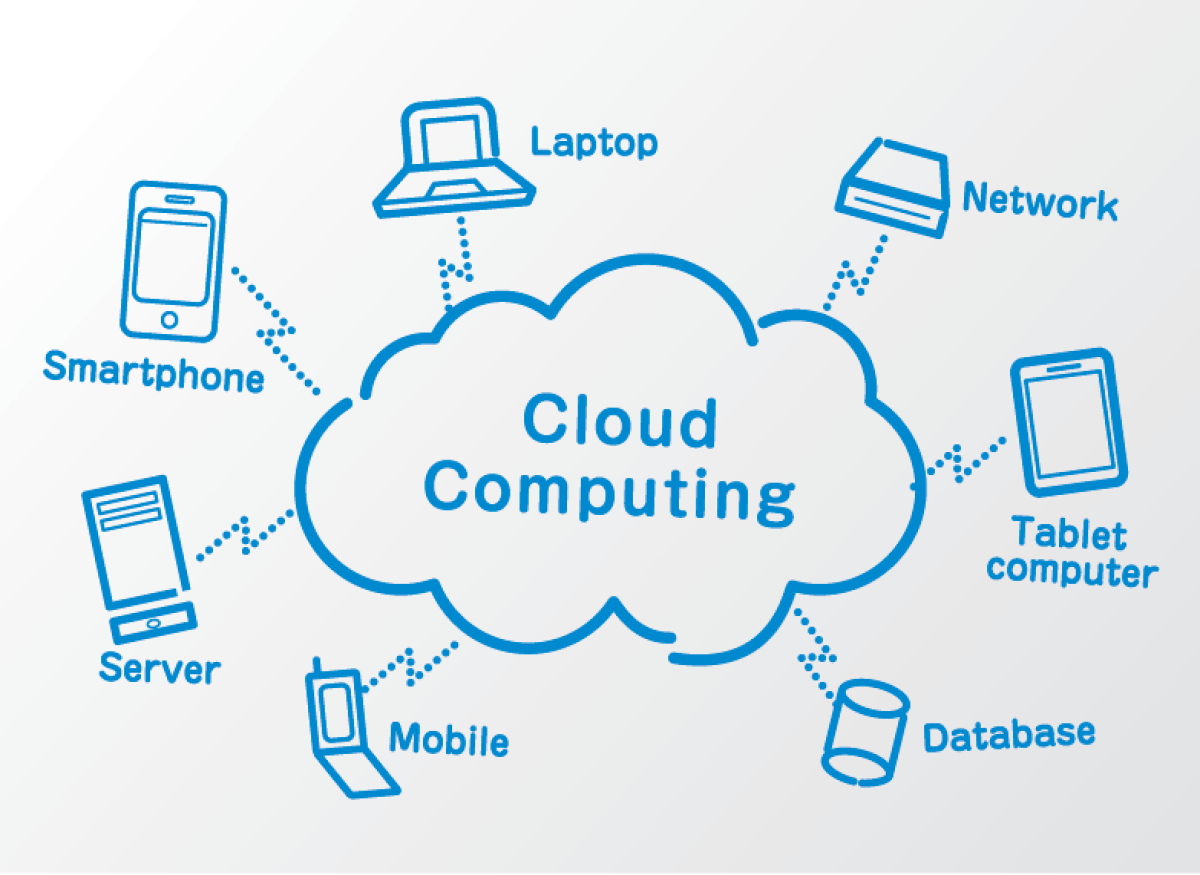
Traditional hosting services rely heavily on physical hardware confined to a specific location—be it shared hosting, VPS (Virtual Private Server), or dedicated servers housed within a single data center. This model presents limitations such as finite resources, potential single points of failure, and scalability challenges. In stark contrast, what makes cloud hosting stand out? It’s primarily the layer of virtualization and resource distribution across multiple servers that differentiates it.
With cloud hosting, the physical servers are interconnected through high-speed networks, creating a pool of resources that can be pooled and allocated as needed. This design provides elastic scalability—meaning resources can be scaled up or down almost instantly—something that traditional hosting struggles to offer efficiently. Additionally, cloud hosting offers enhanced redundancy; if one server encounters an issue, others automatically take over, minimizing downtime and maintaining seamless user experiences. This flexibility and resilience make cloud hosting particularly attractive for businesses with dynamic workloads or those seeking reliable, uninterrupted service.
The Infrastructure Behind Cloud Hosting: A Deep Dive

Understanding what is cloud hosting? also involves delving into its underlying infrastructure. Modern cloud environments are built on layers of robust virtualization and networking technologies. Virtualization abstracts physical hardware into virtual machines (VMs), enabling multiple instances to run efficiently on the same physical resources. This allows cloud providers to maximize hardware utilization while providing isolated environments for users.
Beyond virtualization, the core infrastructure comprises high-performance data centers equipped with redundant power supplies, cooling systems, and security features. These data centers interconnect through high-speed fiber optic networks, forming the backbone of the cloud ecosystem. Advanced management tools orchestrate resource allocation, load balancing, and fault tolerance, ensuring optimal performance and security. The intricate synergy among hardware, virtualization, networking, and management software is what makes cloud hosting scalable, reliable, and resilient—an evolution far beyond the capabilities of traditional hosting.
Geographic Locations of Cloud Servers: A Global Network
When contemplating what is cloud hosting? it’s crucial to understand where these cloud servers are physically located. Cloud providers operate a vast network of data centers spread across continents—North America, Europe, Asia, Australia, and beyond—forming a comprehensive global infrastructure. These geographically dispersed centers are interconnected via high-capacity backbone networks, enabling easy replication of data and resources across regions.
The strategic placement of these servers allows cloud services to adhere to data sovereignty laws, optimize latency, and serve local markets more effectively. For example, a user accessing a website hosted on a data center in their country experiences faster load times and improved performance. Major providers like Amazon Web Services, Microsoft Azure, Google Cloud, and others have state-of-the-art data centers spanning multiple countries, giving users the flexibility to choose server locations based on their specific requirements. This global distribution not only enhances performance but also provides redundancy—if one region faces issues, others can take over seamlessly, ensuring high availability.
Factors Influencing Cloud Hosting Server Location Choice
The decision about where to position cloud servers is influenced by various factors that encompass technical, legal, and strategic considerations. Latency is perhaps the most immediate factor—hosting data closer to end-users reduces delays and enhances user experience. Similarly, compliance with regional data protection laws, such as GDPR in Europe or CCPA in California, often dictates server localization to ensure legal adherence.
Business strategy also plays a pivotal role; companies aiming to expand into local markets prefer local servers to meet customer expectations for speed and reliability. Cost implications are vital too—certain regions may offer cheaper data center services, influencing decisions based on budget constraints. Additionally, disaster recovery and risk management require thoughtful geographical dispersal to avoid entire regions being compromised by natural disasters or outages. Ultimately, the location choice is a strategic decision, balancing performance, compliance, cost, and resilience—to optimize the benefits of what is cloud hosting? for both users and providers.
Benefits of Cloud Hosting: Accessibility and Reliability
The foremost advantages of cloud hosting lie in its unmatched accessibility and reliability. Because resources are distributed across global data centers, users can access their applications from virtually anywhere with an internet connection, breaking down geographical barriers. This universal accessibility enables remote work, international commerce, and flexible deployment models, empowering companies to operate seamlessly regardless of physical location.
Reliability is another cornerstone benefit. The decentralized nature of cloud hosting reduces the risk of downtime due to hardware failure or localized outages. Automated failover mechanisms and redundant infrastructure ensure continuous service, which is crucial for mission-critical applications. Furthermore, cloud hosting allows for rapid scalability—resources such as CPU, RAM, and storage can be increased or decreased with ease, aligning perfectly with fluctuating demand. This adaptability enhances operational efficiency, reduces costs associated with over-provisioning, and fosters innovation by allowing developers to deploy and experiment without significant infrastructural investments.
Conclusion
In conclusion, what is cloud hosting? encompasses a sophisticated, flexible, and distributed approach to web infrastructure that surpasses traditional hosting in scalability, resilience, and global reach. Its infrastructure is a complex, interconnected network of geographically dispersed data centers equipped with cutting-edge virtualization and networking technologies, empowering organizations to deliver reliable, fast-performing services worldwide. The physical locations of cloud servers, scattered across various regions, are selected based on strategic considerations that optimize performance, legal compliance, cost, and disaster resilience. This expansive and dynamic ecosystem offers incredible benefits such as increased accessibility, fault tolerance, and scalability, making cloud hosting the backbone of modern digital services. As the technology continues to evolve, its influence on business growth, innovation, and user experience is set to expand even further, cementing its role as a critical component of the digital landscape.
Discover more from YuRaFa
Subscribe to get the latest posts sent to your email.






Leave a Reply