Choosing Between Shared, Semi-Dedicated, and Dedicated Hosting
When it comes to establishing an online presence, selecting the appropriate web hosting plan is crucial. Many newcomers and even seasoned webmasters often find themselves puzzled by the different hosting options—most notably, they ask, “What is the difference between shared, semi-dedicated web hosting plans and dedicated servers?” Understanding these differences isn’t just about technical specifications; it’s about aligning your website’s needs with the right infrastructure to ensure optimal performance, security, and scalability. In this comprehensive guide, we’ll explore each hosting type in detail, compare their advantages and limitations, and help you make an informed decision for your online success.
Shared vs. Semi-Dedicated vs. Dedicated Hosting: A Comprehensive Comparison

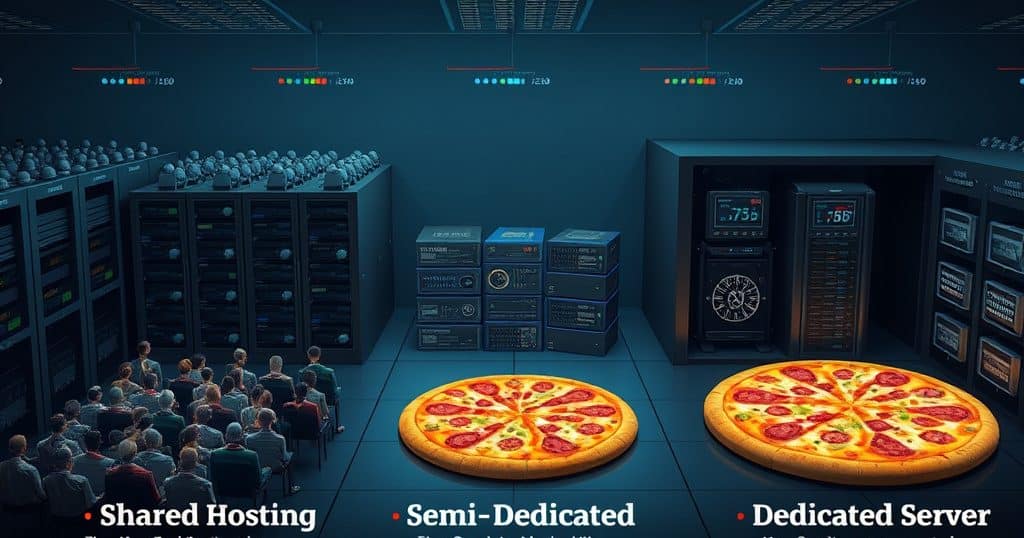
To grasp the fundamental differences, it’s essential to start with a broad overview. Shared hosting is the most common entry-level option, where multiple websites share a single server’s resources. Semi-dedicated hosting sits between shared and dedicated hosting, offering more resources and isolation for each user, yet still sharing some hardware aspects. Dedicated servers, on the other hand, allocate an entire physical server solely to one client, providing maximum control, performance, and security.
These three levels of hosting vary significantly in terms of performance, control, and cost. Shared hosting is ideal for small websites with moderate traffic, semi-dedicated plans cater to growing sites needing better resources and isolation, and dedicated servers are suited for high-traffic, resource-intensive applications, and enterprise-level requirements. Understanding these distinctions can help you decide which solution aligns best with your current and future needs.
Understanding Shared Hosting: Benefits and Limitations

Shared hosting is often the starting point for individuals and small businesses venturing into online ventures. It hosts multiple websites on a single server, sharing CPU, RAM, disk space, and bandwidth. This setup dramatically reduces costs because hosting providers spread expenses across many users, making shared hosting an affordable option for beginners or those with limited budgets.
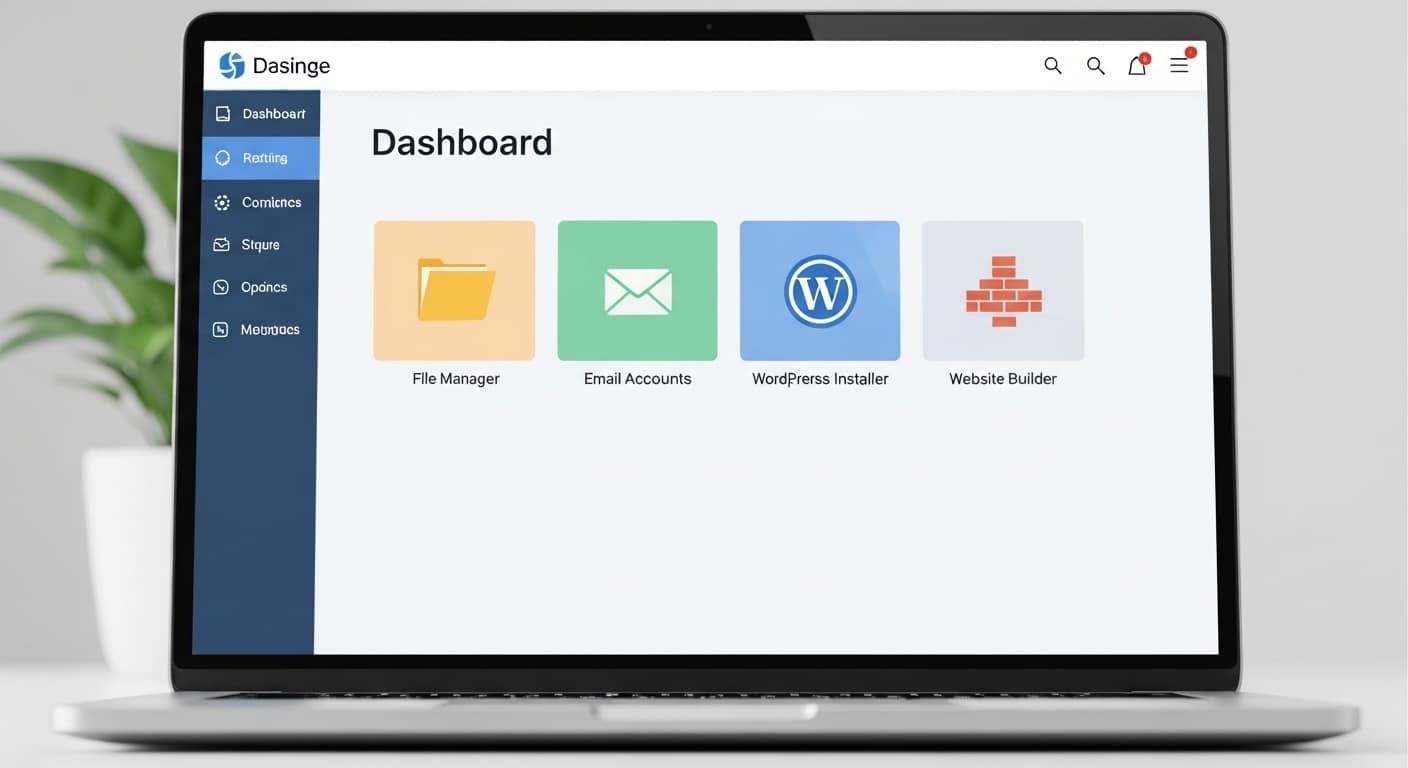
However, the trade-offs include limited resources, which can lead to performance issues if neighboring sites experience traffic surges or misuse resources. Because servers are shared, security can also be a concern—vulnerabilities in one website could potentially impact others. Despite these limitations, shared hosting offers user-friendly control panels, automation tools, and minimal technical maintenance, making it an excellent choice for small blogs, portfolios, or local business sites that don’t anticipate high traffic.
Semi-Dedicated Hosting: Bridging the Gap Between Shared and Dedicated

Semi-dedicated hosting provides a middle ground that balances affordability with enhanced performance and control. While still sharing physical hardware with other users, semi-dedicated plans allocate a larger portion of server resources to each client. This isolation results in less interference from other websites and better handling of traffic spikes.
What makes semi-dedicated hosting appealing is its simplicity and enhanced performance without the hefty price tag of dedicated servers. It’s suitable for websites experiencing moderate growth—such as growing e-commerce stores, community portals, or high-traffic blogs—that require more bandwidth, processing power, and stability. The management interfaces tend to be straightforward, but it’s important to recognize that you still don’t get full server control like you would with a dedicated setup. For those needing a balance of distance from the shared environment and cost efficiency, semi-dedicated hosting offers an ideal compromise.
Dedicated Servers: Unmatched Performance and Control Explained
Dedicated servers represent the pinnacle of web hosting, offering exclusive access to an entire physical server. All resources—CPU, RAM, disk space, and bandwidth—are dedicated solely to your website or application. This setup delivers unmatched performance, stability, and security, making it suitable for enterprise applications, large-scale e-commerce platforms, streaming services, or any resource-intensive environment.
Beyond raw performance, dedicated hosting grants you full control over server configurations, security settings, and hardware upgrades. This level of control is vital for organizations with specialized needs, compliance regulations, or high-security standards. The primary drawbacks are cost and complexity—dedicated servers require technical expertise to configure, maintain, and troubleshoot. For most small to medium-sized businesses, a dedicated server might seem overkill; however, for those with substantial traffic, intensive processing needs, or specific customization requirements, it’s the best investment for long-term scalability and performance.
Key Differences in Performance, Control, and Cost
The core distinctions between shared, semi-dedicated, and dedicated hosting revolve around performance capabilities, administrative control, and financial commitment. Shared hosting offers the most affordable price point but sacrifices some speed, security, and control due to resource sharing. Semi-dedicated hosting improves on these fronts by allocating more resources and reducing interference, leading to more consistent performance and better isolation.
Dedicated servers eclipse both options in raw power, offering total control over server configurations, security protocols, and hardware choices, while also commanding a much higher price. They serve the needs of high-traffic, resource-demanding applications where performance cannot be compromised. When selecting among these types, it’s crucial to consider your website’s expected traffic, technical expertise, scalability requirements, and budget. Investing in the wrong hosting type can hinder performance or inflate costs unnecessarily, so getting this right ensures long-term growth and reliability.
Choosing the Right Hosting Solution: A Guide for Your Needs
The decision-making process hinges upon understanding your specific website requirements and future plans. For small blogs, personal sites, or local businesses Just starting out, shared hosting is often sufficient—cost-effective and simple to manage. As your traffic grows or you need more uptime and security, upgrading to semi-dedicated hosting offers a significant upgrade in performance without a drastic increase in complexity or cost.
If your website becomes a core part of your business with high visitor volumes, transaction processing, or sensitive data, then dedicated hosting is likely necessary. It provides the stability, control, and scalability required for enterprise-grade applications. It’s also important to consider your technical expertise—dedicated server management requires technical knowledge, while shared and semi-dedicated plans tend to offer more user-friendly interfaces. Ultimately, aligning your site’s current needs and potential growth with the appropriate hosting plan ensures a balanced, cost-effective, and scalable online presence.
Conclusion
Understanding “What is the difference between shared, semi-dedicated web hosting plans and dedicated servers?” is essential for selecting the most suitable environment for your website. Shared hosting caters to basic, low-traffic sites with limited budgets, while semi-dedicated hosting provides a balanced solution for growing websites that need more resources and stability. Dedicated servers offer unmatched performance, control, and security at a premium price, designed for high-traffic, resource-intensive, and enterprise-level applications. By evaluating your current needs, technical capabilities, and future growth plans, you can choose a hosting plan that ensures your website runs smoothly, securely, and efficiently—laying a stable foundation for digital success.
Discover more from YuRaFa
Subscribe to get the latest posts sent to your email.




Leave a Reply