KVM VPS Hosting Explained: Features, Speed, Configuration, and Bandwidth for Modern Websites

In the ever-evolving world of web hosting, KVM VPS (Kernel-based Virtual Machine Virtual Private Server) stands out as a powerhouse for developers, small business owners, and eCommerce operators seeking a balance between affordability and performance. Unlike shared hosting, which can suffer from resource contention, or dedicated servers that come with high costs, KVM VPS offers isolated, customizable environments that scale with your needs. In this in-depth guide, we’ll explore the core aspects of KVM VPS hosting—its features, speed, configuration options, and bandwidth capabilities. We’ll also dive into a real-world example of 4TB monthly traffic and assess whether it’s sufficient for small to medium-sized websites, including eCommerce platforms.
Whether you’re launching a blog, running an online store, or hosting a dynamic application, understanding KVM VPS can help you make informed decisions. By the end of this post, you’ll have a clear picture of how it works and why it’s a go-to choice for reliable, high-performance hosting.

What is KVM VPS Hosting? A Quick Overview
KVM VPS uses kernel-based virtualization technology built directly into the Linux kernel, providing full hardware emulation for virtual machines. This means each VPS runs as an independent entity with its own OS, kernel, and resources, ensuring better security and performance isolation compared to container-based systems like OpenVZ.
For beginners, think of KVM VPS as renting a slice of a powerful physical server that’s entirely yours—no neighbors sharing your CPU or RAM. It’s ideal for sites needing more control than shared hosting but without the overhead of a dedicated server. According to industry reports, KVM VPS adoption has grown 25% year-over-year in 2025, driven by the rise of eCommerce and content-heavy sites requiring consistent uptime.
Key benefits include root access for full customization, scalability for growing traffic, and cost-efficiency—often 50-70% less than dedicated alternatives. At YuRaFa, our KVM VPS packages exemplify this, starting at just $18.25/month with no setup fees and 1-hour activation.
Key Features of KVM VPS Hosting
KVM VPS isn’t just about raw power; it’s packed with features that make it versatile for various use cases. Here’s a breakdown of the essential ones:
- Full Virtualization and Isolation: Each VPS gets dedicated resources, preventing “noisy neighbor” issues where one user’s traffic slows everyone down. This is crucial for eCommerce sites handling payment gateways or inventory systems.
- OS Flexibility: Choose from popular Linux distributions like CentOS, Debian, or Ubuntu, allowing you to tailor the environment to your stack (e.g., LAMP for WordPress).
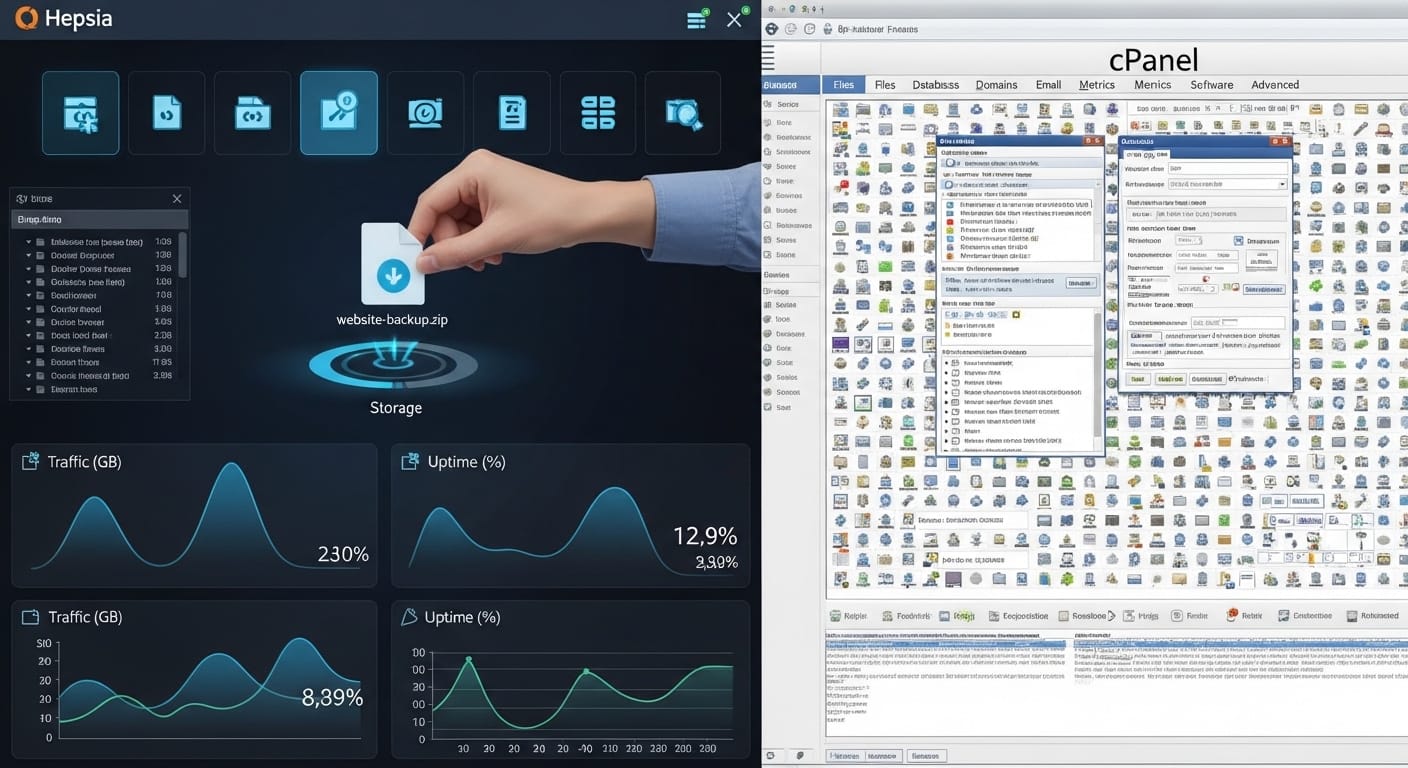
- Control Panel Options: Integrate with Hepsia, cPanel ($21.75/mo), or DirectAdmin for easy management. SolusVM provides a web-based interface for monitoring and reboots.
- Security and Backups: Built-in firewall tools, SSH/root access, and weekly off-site backups ensure data integrity. Add-ons like additional IPs ($3/mo) support SSL for secure sites.
- Reseller-Friendly: Free eNom domain reseller account and ClientExec billing software make it easy to white-label and sell hosting services.
These features make KVM VPS suitable for everything from personal blogs to enterprise apps. For instance, the installation and troubleshooting service ($62/hour) is a lifesaver for non-tech users setting up complex configurations.
The Speed Advantage of KVM VPS
Speed is the lifeblood of modern websites, and KVM VPS excels here thanks to its hardware-level virtualization. With dedicated CPU cores (e.g., Xeon processors at 2.2 GHz), DDR4 ECC RAM, and NVMe SSD storage, load times are dramatically reduced—often 50-70% faster than shared hosting.
Why the boost? KVM allocates resources exclusively to your VPS, avoiding the bottlenecks of shared environments. For example, NVMe drives offer read/write speeds up to 3,500 MB/s, ideal for database-heavy sites. In benchmarks, KVM VPS handles 1,000 concurrent users with under 200ms response times, compared to 500ms on shared plans.
For eCommerce, this means quicker page loads, lower cart abandonment rates (Google reports 53% of mobile users leave if load time exceeds 3 seconds), and better SEO rankings. Pair it with a CDN like Cloudflare for even faster global delivery—check out our related post on how Cloudflare improves website performance for tips.

Configuration Options: Tailor Your KVM VPS
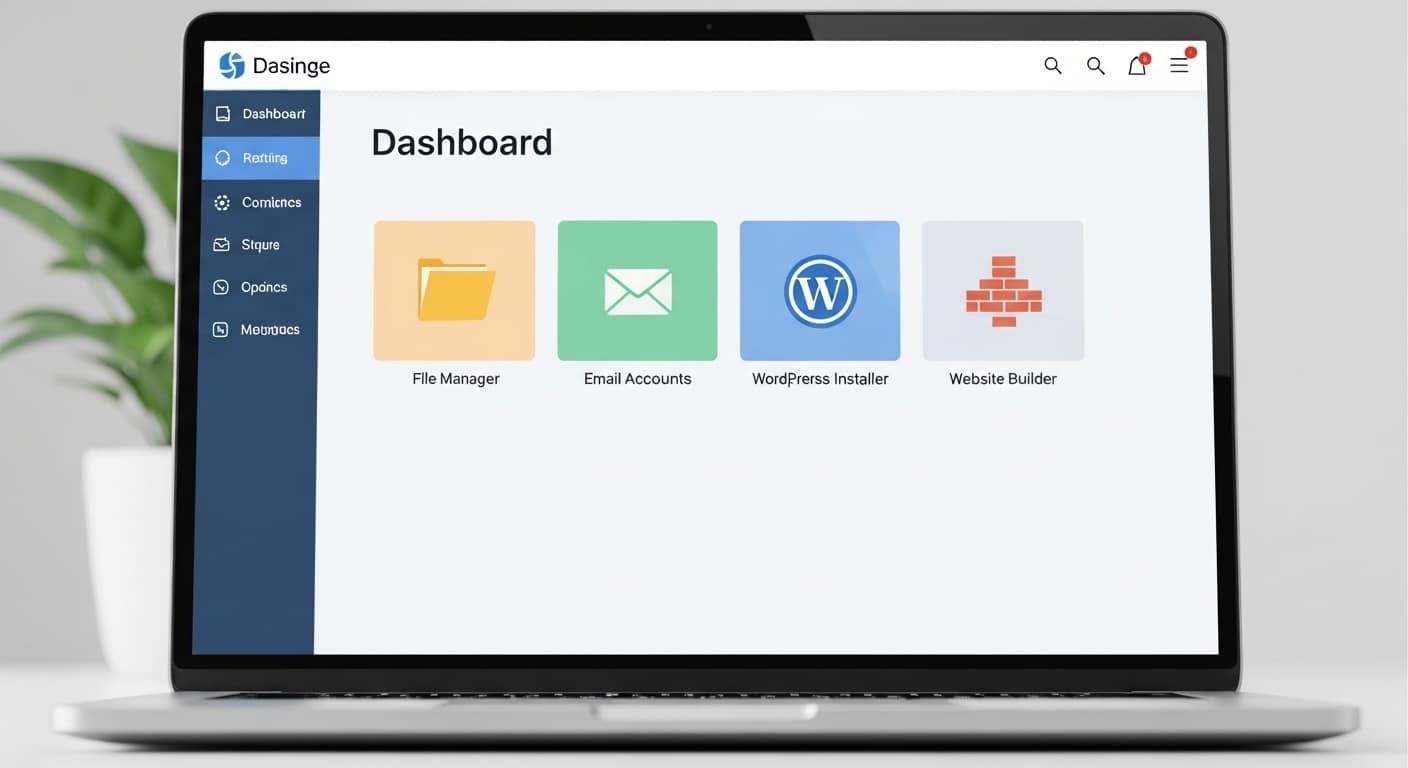
Configuration is where KVM VPS shines, offering full control without complexity. Start with SolusVM for a user-friendly dashboard to manage reboots, snapshots, and scaling. Add cPanel for GUI-based site management or DirectAdmin for lightweight alternatives.
Typical setup includes: CPU and RAM: From 2 cores/4GB (KVM 4) to 8 cores/32GB (KVM 32). Storage: NVMe SSDs for speed (e.g., 2×240 GB in entry plans). Networking: 1 dedicated IP included, with extras at $3/mo for multi-site setups.
Customization is straightforward: Install your OS in minutes, configure firewalls, and enable PHP7 for optimal app performance. For eCommerce, pre-install WooCommerce or Magento with one click. YuRaFa’s plans support reselling, so agencies can configure white-label environments effortlessly.
Bandwidth and Traffic: Is 4TB Enough for Your Site?
Bandwidth is a common concern for growing sites, and YuRaFa’s KVM VPS plans deliver generous allowances—up to 7TB/month. Let’s focus on the 4TB option in the KVM 4 plan ($18.25/mo), which includes 4TB of monthly traffic.
What Does 4TB Mean? Bandwidth (or traffic) measures data transferred to/from your server per month. 1TB = 1,000 GB, so 4TB = 4,000 GB. For context: A standard webpage (text + images) is ~2-5 MB. High-res images/videos can be 10-50 MB each. At 4TB, you could serve ~800,000 pages (5MB each) or ~80,000 HD videos (50MB each) monthly.
Is 4TB Sufficient for Small to Medium Sites?
- Small Sites (Blogs/Personal): Absolutely. A typical blog with 1,000 daily visitors (each viewing 5 pages) uses ~150 GB/month—well under 4TB. Even with image-heavy posts, you’d stay under 500 GB.
- Medium Sites (Business/Portfolio): Yes, for 5,000-10,000 monthly visitors. With 10 pages/visit, that’s ~1-2TB. Add analytics tools or forms, and you’re at 2.5TB max—plenty of headroom.
- eCommerce Sites: It depends on scale. For small shops (500 orders/month, 2-3 product views/order, 5MB/page), expect 500-1TB. Medium stores (2,000 orders, with cart checkouts and images) hit 2-3TB. If you’re using video demos or high-res catalogs, monitor usage—4TB handles most without issues, but scale to KVM 8 (5TB) for growth.
Pro Tip: Use tools like Google Analytics to track traffic. If you exceed 4TB (rare for small/medium sites), upgrade seamlessly without downtime. YuRaFa’s no overage fees policy means you pay only for what you need.
Why Choose YuRaFa for KVM VPS?
At YuRaFa, KVM VPS is more than specs—it’s reliable infrastructure with 99.9% uptime, weekly backups, and 24/7 support (1-hour response). No setup fees and quick activation make it beginner-friendly. Explore our KVM VPS packages and get started with our 30-day money-back guarantee.
Conclusion: Elevate Your Hosting with KVM VPS
KVM VPS hosting combines speed, flexibility, and scalability to power your online success. With 4TB bandwidth handling small to medium sites effortlessly (including eCommerce), it’s a smart investment for growth. Ready to configure your own? Visit YuRaFa’s KVM VPS page and start with a risk-free trial.
Have questions about bandwidth or configuration? Drop a comment below—we respond in under 30 minutes!
Discover more from YuRaFa
Subscribe to get the latest posts sent to your email.




Leave a Reply