Discovering the SCP Foundation: A Dive into Secure, Contain, Protect Horror Stories
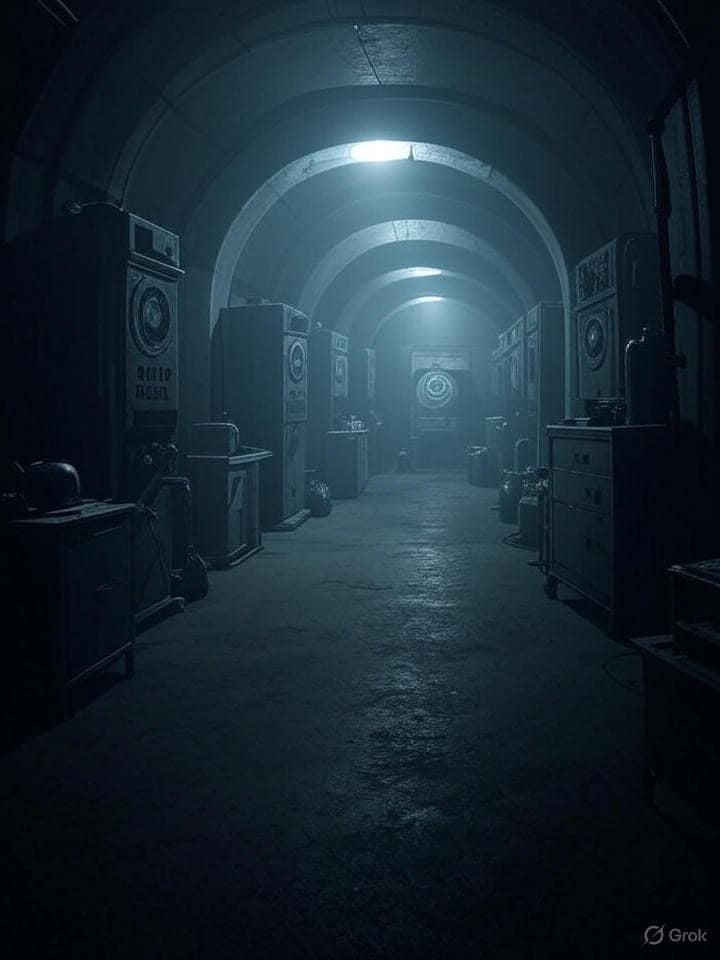
Discovering the SCP Foundation: A Dive into Secure, Contain, Protect Horror Stories
In the vast world of online horror fiction and creepypasta, few phenomena have captured the imagination quite like the SCP Foundation. If you’re searching for “what is SCP Foundation” or “SCP stories,” you’ve landed in the right place. This secretive, fictional organization dedicated to securing anomalous objects, containing supernatural entities, and protecting humanity from the unknown has become a cornerstone of internet lore. With thousands of user-generated entries on the SCP wiki, it’s a treasure trove for fans of horror, science fiction, and bizarre tales. In this extended blog post, we’ll dive deeper into the origins of the SCP Foundation, explore its evolution, share even more of its most chilling and popular stories, discuss its impact on popular culture, and provide tips for newcomers. Whether you’re curious about “best SCP entries,” “SCP horror stories,” or how to get involved, we’ve got you covered.
The Origins: When Was the SCP Foundation Founded?
The SCP Foundation as we know it today traces its roots back to the early days of internet storytelling. The project officially began with the creation of its wiki in 2008, marking the formal launch of a collaborative platform where writers could contribute to this expansive universe. It all started from a single, eerie post on 4chan’s /x/ board in 2007, featuring SCP-173, which quickly went viral and inspired a wave of similar creations. By January 19, 2008, the original wiki was established on EditThis, and it migrated to its current Wikidot home on July 19, 2008 (source: Wikipedia). This foundation—pun intended—laid the groundwork for what would become one of the most searched-for topics in online horror, with keywords like “SCP Foundation wiki” and “SCP origins” driving millions of curious visitors each year.
Over the years, the SCP Foundation has grown exponentially. From its humble beginnings with a handful of entries, it now boasts series spanning multiple “slots” (like Series I through VIII and beyond), international branches in various languages, and themed contests that encourage fresh content. The site’s rating system, where community members vote on entries, ensures high-quality stories rise to the top, making searches for “top rated SCP pages” a gateway to the best the wiki has to offer. What began as a niche creepypasta has evolved into a global collaborative fiction project, influencing everything from YouTube narrations to indie games.
What makes the SCP Foundation so enduring? It’s the blend of bureaucratic documentation style with mind-bending anomalies. Entries are written as clinical reports, complete with containment procedures, descriptions, addendums, experiment logs, and incident reports, making the fiction feel unnervingly real. No wonder searches for “SCP explained” and “SCP creepypasta” spike across platforms like Reddit and YouTube.
What Makes SCP Stories So Addictive?
At its core, the SCP Foundation revolves around “Secure, Contain, Protect”—the motto that defines its mission. Anomalous items, classified as Safe, Euclid, or Keter based on containment difficulty, range from harmless oddities to world-ending threats. This format has inspired countless “SCP horror stories” and fan adaptations, including games like SCP: Containment Breach.
The collaborative nature of the SCP wiki allows anyone to contribute, fostering a diverse array of tales. From psychological horror to humorous entries, the site boasts over 6,000 SCP objects and related stories, plus thousands of “tales” and “GoI” (Groups of Interest) formats that expand the lore. High-volume search terms like “SCP anomalous objects” and “SCP entities” reflect the community’s fascination with these fictional threats. If you’re new, start with the classics—these are the entries that often top lists in “most popular SCP entries” queries. But the wiki’s depth goes beyond individual SCPs; interconnected canons and hub pages create a web of narratives that reward deep dives.
Sharing Some Iconic SCP Stories
Let’s delve into a few standout examples that exemplify why “best SCP stories” is such a hot search topic. These entries have garnered massive followings, inspiring fan art, videos, and even memes (source: Wikipedia on notable SCPs). I’ve expanded this section to include more fan-favorites for a comprehensive overview.
SCP-173: The Sculpture (The Original Horror Icon)
Often called “The Peanut” by fans due to its concrete statue appearance, SCP-173 is a hostile entity that moves at blinding speeds when not observed—think a deadly game of Red Light, Green Light. Containment requires constant eye contact, and any blink could be fatal. This entry kickstarted the entire SCP phenomenon and remains a staple in “SCP creepy stories” discussions. Its simple yet terrifying concept has made it one of the most viewed pages on the wiki.
SCP-049: The Plague Doctor
Dressed in medieval plague doctor garb, SCP-049 is a humanoid entity obsessed with curing a mysterious “Pestilence.” It “operates” on victims by touch, turning them into zombies. Interviews reveal a chilling intelligence, blending historical horror with sci-fi elements. Searches for “SCP Plague Doctor” explode around Halloween, as it’s a favorite for cosplay and fan theories.
SCP-682: Hard-To-Destroy Reptile
This massive, adaptive reptile hates all life and is nearly indestructible, regenerating from almost any damage. Termination attempts have included everything from acid baths to nuclear blasts, all failing spectacularly. As a Keter-class object, SCP-682 is the epitome of “SCP indestructible entities,” symbolizing the Foundation’s endless struggle against the uncontainable.
SCP-096: The Shy Guy
A tall, emaciated creature that becomes enraged if anyone views its face, even in photos. Once triggered, it pursues the viewer relentlessly, often resulting in gruesome ends. This entry taps into primal fears of being seen, making SCP-096 a hit in “SCP horror” compilations.
SCP-3008: The Infinite IKEA
For a more modern twist, SCP-3008 is an endless IKEA store where wanderers get trapped. Inside, faceless “staff” hunt at night, and survivors form makeshift societies. It’s quirky yet horrifying, explaining its popularity in “SCP-3008 stories” searches and even inspiring games.
SCP-106: The Old Man
Known as “The Old Man,” SCP-106 is a decaying, corrosive entity that emerges from walls to drag victims into its pocket dimension of eternal torment. Its slow, inevitable pursuit embodies dread, making it a classic in “SCP scary entities” lists.
SCP-087: The Stairwell
SCP-087 is an endless staircase descending into darkness, filled with cries and a lurking face at the bottom. Explorations grow increasingly terrifying, playing on fears of the unknown and isolation—perfect for “SCP psychological horror” fans.
SCP-035: Possessive Mask
A porcelain comedy/tragedy mask, SCP-035 possesses hosts, corroding their bodies while manipulating minds with charisma. Its interviews are witty yet sinister, highlighting the wiki’s blend of horror and dark humor.
SCP-914: The Clockworks
This massive machine refines objects on settings like “Rough,” “Coarse,” “1:1,” “Fine,” and “Very Fine,” often with unpredictable results. SCP-914 is a fan-favorite for experiment logs, appealing to those searching “SCP anomalous objects experiments.”
SCP-5000: Why?
A meta-entry where the Foundation declares war on humanity, SCP-5000 explores existential themes through a suit that reveals hidden truths. It’s praised for its narrative depth in “best SCP tales” discussions.
These tales highlight the range of SCP content—from jump-scare horrors to existential dread—driving endless engagement on platforms like YouTube and Reddit.
SCP in Popular Culture: Games, Media, and Fan Creations
The SCP Foundation’s influence extends far beyond the wiki. Searches for “SCP Foundation games” lead to titles like SCP: Containment Breach, a free horror game where players evade anomalies in a facility lockdown. Other adaptations include mods for games like Minecraft and Garry’s Mod, as well as fan-made animations on YouTube channels like SCP Explained.
In media, SCP has inspired books, podcasts, and even references in shows like “The Boys” or “Control” by Remedy Entertainment. Fanfiction, role-playing communities on Discord, and merchandise further amplify its reach. High-search terms like “SCP fanfiction” and “SCP cosplay” show how the universe has spawned a vibrant subculture.
The SCP Community: How to Get Involved
One of the SCP Foundation’s strengths is its active community. With forums, critique threads, and annual events like the SCP Art Contest, it’s easy to join. If you’re interested in “how to write SCP entries,” start by reading the site’s guide and submitting drafts for feedback. The wiki’s open-source ethos ensures diverse voices, from horror writers to sci-fi enthusiasts.
Why the SCP Foundation Continues to Captivate
Since its founding in 2008, the SCP Foundation has evolved into a cultural juggernaut, with high-search-volume keywords like “SCP Foundation games,” “SCP fanfiction,” and “top SCP entries” keeping it relevant (source: SCP Wiki History). Its open-source model encourages creativity, ensuring fresh content for years to come. Whether you’re a horror enthusiast or just curious about “what is SCP,” the wiki offers endless rabbit holes to explore.
If these stories intrigued you, head over to the official SCP wiki and dive in. What’s your favorite SCP entry? Share in the comments below—let’s keep the containment breach of ideas going!
Discover more from YuRaFa
Subscribe to get the latest posts sent to your email.



Leave a Reply