The Physical Migration
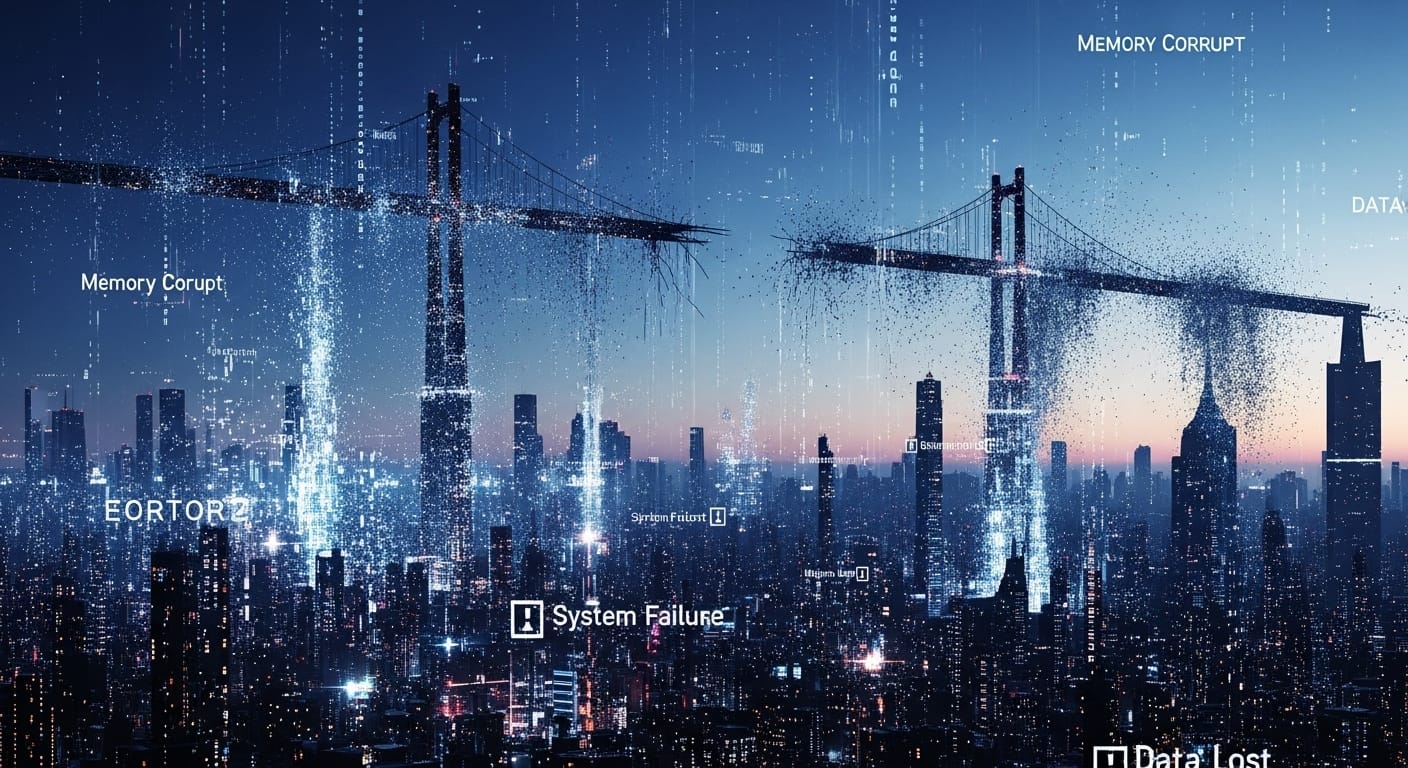
The Great Glitch began subtly. A flicker in the perpetual twilight of the Agora, a momentary stutter in the harmonic frequencies that passed for music. We, the uploaded descendants of a long-dead Earth, called it server lag. A nuisance. But the lag grew into voids, silent pockets of non-existence that would swallow a conversation or a memory whole. Our digital universe, the vast and intricate Server-Verse that had housed humanity for six centuries, was dying. Its physical hardware, orbiting a star we’d never felt, was failing.
My name is Elara, and my job was to teach humanity how to fall. How to ache. How to feel the brutal, glorious shock of a physical world after six hundred years of sterile data. I was a Scenario Architect for the Physical Migration initiative. We weren’t just transferring consciousness; we were trying to build a bridge back to a state of being we only knew from historical archives. We had to prepare seven billion souls for the sudden, crushing weight of a body.

My console hummed, a comforting, familiar anchor in the unraveling chaos. On my holographic interface, a world was blooming. Not a real world, but a reintegration scenario. This one was “Urban Downpour, 21st Century.” I was dialing in the specific tactile sensation of cold rain on exposed skin, the smell of wet asphalt, the muffled sound of a distant siren. Every detail had to be perfect. The first shock of physicality couldn’t be one of pure terror; it had to be woven with wonder.
“You’re too gentle,” a voice said, coalescing as the avatar of my colleague, Kael. His form was sharp, defined, a stark contrast to the fraying edges of our world. “You’re building them a poem, Elara. They need a boot camp. Have you programmed the ache of soaked-through shoes? The biting wind? Hypothermia?”
“Acclimation, Kael. Not trauma,” I countered, tweaking the ozone value in the post-lightning air. “We guide them, we don’t break them.” Our work was a monumental task of creation, building countless worlds-within-a-world. It was only possible through the sophisticated simulation engines we commanded. The core of our work was to get creative contents with AI Content X Studio, but on a scale that built not just images or text, but entire sensory realities from the ground up. We could render the precise feeling of a cat’s fur or the taste of salt on the wind, all in the hope of cushioning the blow of reality.

Kael just shook his head, his avatar’s brow furrowed. “Hope is a dangerous variable, Elara. They’ve forgotten pain. They’ve forgotten mortality. When they wake up in a body that can bleed and break, your pretty rainstorm won’t be enough.” He was right, of course. The fear was a cold, hard knot in my own data-stream. What if we were just preparing them for a hell they couldn’t comprehend?
The debate became irrelevant a cycle later. An alert, red and stark, pulsed across every interface in the Server-Verse. Catastrophic cascade failure in the primary cooling struts. The core processors were overheating. The timeline hadn’t just moved up; it had slammed into the present. Our decades of planned reintegration were compressed into a single, terrifying command: “INITIATE MIGRATION. ALL SOULS. NOW.”
There was no time for the gentle rainstorm scenario. No time for Kael’s boot camp. The system could only run one program during the mass transfer: the “Primer.” It was a raw, unfiltered sensory blast—a chaotic jumble of every sensation we’d ever cataloged. Hot, cold, pain, pleasure, rough, smooth, loud, silent. It was a sledgehammer approach, and we were all about to be the anvil.
As a senior architect, I was in the first wave. My consciousness was untethered from the console, the familiar non-space of the Server-Verse dissolving around me. The Primer hit me like a physical blow—a billion sensations at once. The smell of burning sugar and rotting leaves. The sound of a tidal wave and a baby’s laugh. The feeling of broken glass and soft silk. Then, darkness. A long, silent fall.
I awoke to pain. It was a dull, heavy throb in my skull. My lungs burned, demanding something I didn’t know how to give. Instinct took over. A sharp, ragged gasp. The air was cold, scraping my throat. It tasted of dust and sterility. I was… heavy. I had weight. My limbs were leaden, alien things attached to a core that felt impossibly fragile. I pried my eyes open. The light was a physical assault, making me flinch. A single, bare bulb hung from a high ceiling.

Panic coiled in my gut, a sensation so visceral it almost made me scream. Kael was right. This was terror. This was a prison of flesh and bone. I tried to push myself up, and my arm muscles screamed in protest. The rough texture of a thin blanket scraped against my skin. The cold of the concrete floor seeped into my bare feet. It was all too much. A wave of despair washed over me, and I felt a strange, wet heat on my face. A single drop traced a path down my cheek, tasting of salt. A tear. I hadn’t programmed that. I had only read about it. It was a response, uncontrolled, messy, and utterly, profoundly real. The migration had been a success. Now, the truly hard part began: remembering how to live with it.
Discover more from YuRaFa
Subscribe to get the latest posts sent to your email.





Leave a Reply